👉 Suction power
But here’s the problem—suction alone doesn’t tell you how well a vacuum actually cleans.
After testing dozens of cordless vacuums, one thing becomes clear:
👉 Airflow is just as important—sometimes even more important—than suction.
This guide breaks down what each metric means, how they work together, and which one actually matters for real-world cleaning.
🧠 Quick Answer (For Fast Readers)
- Suction (water lift) = how strong the pull is
- Airflow (CFM) = how much air moves through the vacuum
👉 Best performance comes from a balance of both
But:
- For carpet cleaning → airflow matters more
- For heavy debris → suction helps
- For overall performance → airflow + brush design wins
💧 What Is Suction (Water Lift)?
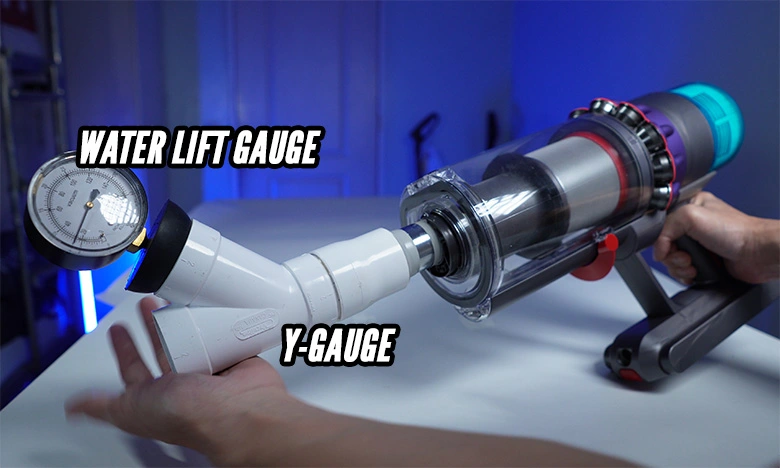
Suction measures the pulling force generated by the vacuum motor.
It’s typically measured in: Water lift (inches of H₂O)
👉 Think of suction as: “How hard the vacuum can pull air upward.”
🧪 What Suction Actually Affects:
- Lifting heavier debris
- Initial pickup force
- Seal strength on surfaces
⚠️ The Limitation of Suction
Here’s where most people get misled: 👉 High suction doesn’t guarantee strong cleaning performance
In testing, some vacuums with strong suction:
- struggled on carpet
- failed to move debris into the bin
- performed similarly to weaker models
👉 Why?
Because suction alone doesn’t move debris—it just creates pull.
🌬️ What Is Airflow (CFM)?
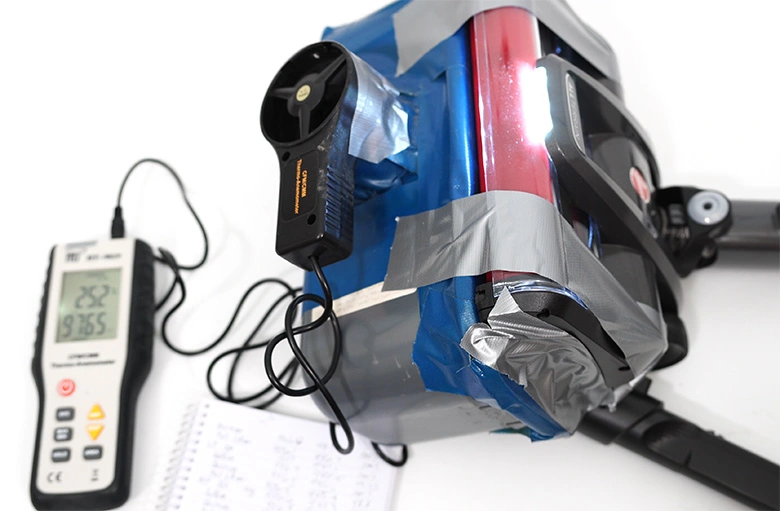
Airflow measures how much air moves through the vacuum system.
It’s typically measured in: CFM (cubic feet per minute)
👉 Think of airflow as: “How much air is actually carrying debris through the vacuum?”
🧪 What Airflow Actually Affects:
- Transporting debris into the dustbin
- Cleaning performance on carpet
- Handling fine dust and hair
- Minimizes clogs
🔥 Why Airflow Matters More Than You Think
From real-world testing: 👉 Vacuums with higher airflow consistently:
- clean carpet better
- move debris more efficiently
- perform more consistently as the bin fills
⚖️ Airflow vs Suction: The Real Difference
Here’s the simplest way to understand it:
- Suction pulls debris up
- Airflow carries it away
👉 You need both—but airflow is what completes the job.
🧪 Real-World Testing Insight
In multiple tests, vacuums with:
- Similar suction
- Different airflow
👉 Produced very different cleaning results
Example pattern:
- High suction + low airflow → inconsistent cleaning
- Moderate suction + high airflow → better real-world performance
👉 This is especially noticeable on carpet, where airflow is critical for pulling debris out of fibers.
🧹 Why This Matters for Carpet Cleaning
Carpet is where differences become obvious.
To clean carpet effectively, a vacuum must:
- Agitate debris (brushroll)
- Pull it loose (suction)
- Carry it away (airflow)
👉 If airflow is weak, debris stays trapped—even with strong suction.
➡️ See how this is tested: Carpet Deep Cleaning Test
🧱 What About Hard Floors?
On hard floors:
- Airflow still matters
- But agitation is less important
- Soft rollers can compensate
👉 This is why even lower-power vacuums can perform well on hard surfaces.
🐶 Airflow vs Suction for Pet Hair
Pet hair exposes airflow weaknesses quickly.
From testing:
- Low airflow → hair gets stuck
- High airflow → hair moves into the bin
👉 Hair pickup is less about suction—and more about airflow + brush design
➡️ See full breakdown: Hair Pickup Test
⚠️ Why Specs Can Be Misleading
Most brands advertise:
- suction power
- motor wattage
But rarely:
- airflow at the nozzle
- real-world cleaning results
👉 This is why two vacuums with similar specs can perform completely differently.
🧠 What Actually Matters (Simple Framework)
When choosing a cordless vacuum:
✅ Prioritize:
- Strong airflow
- Efficient brushroll design
- Good seal
⚖️ Balance:
- Suction + airflow
❌ Avoid:
- High suction with weak airflow
- Poorly sealed systems
- Narrow airflow paths
🧪 How I Measure Airflow & Suction
All data on this site comes from real testing.
- Airflow → measured using an anemometer
- Suction → measured using a water lift gauge
👉 These tests are done consistently across all models for fair comparison.
➡️ See full methodology: How We Test Cordless Vacuums
🏆 Final Verdict
If you only focus on one metric, you’ll likely make the wrong choice.
👉 The best cordless vacuums combine:
- Strong airflow
- Adequate suction
- Effective brush design
Bottom Line:
- 👉 Airflow is what makes a vacuum actually clean
- 👉 Suction supports it—but doesn’t replace it