Quick Comparison
Key differences based on real-world performance testing.
Swipe on mobile or scroll horizontally to see all picks.
⚡ Quick Verdict
👉 Choose the Dyson Gen5 Detect if: If you want the strongest overall performance for pet hair, this is the most complete option. It delivers excellent pickup across both hard floors and carpet, including embedded hair, while also reducing hair wrap better than most cordless vacuums. It’s not maintenance-free, but it requires less effort than most high-performance models.
👉 Choose the Shark WandVac Stick if: if you want a lightweight, easy-to-use cordless vacuum for quick cleanups, especially on hard floors and upholstery, and don’t need strong performance for deep carpet cleaning.
👉 Choose the Shark Vertex Pro if: if you want a more affordable cordless vacuum with strong carpet performance for pet hair, and don’t mind occasional hair wrap and a slightly bulkier design.
Bottom line:
If you want the best all-around performance with the least hassle, go with the Dyson Gen5 Detect. For quick, lightweight cleaning, the Shark WandVac is the most convenient option, while the Shark Vertex Pro offers a more budget-friendly balance with better carpet performance—but with a bit more maintenance required.
🧠 How We Tested?
Every cordless vacuum in this guide was tested using the same repeatable methods, with a specific focus on how well each model handles pet hair in real-world conditions.
Instead of relying on manufacturer claims, I ran controlled experiments using different hair lengths, surface types, and cleaning scenarios to evaluate not just pickup performance, but also hair wrap, clogging, and ease of maintenance.
All results are based on measured data and hands-on testing—not opinions.
1. Pet Hair Pickup Test on Hard Floor
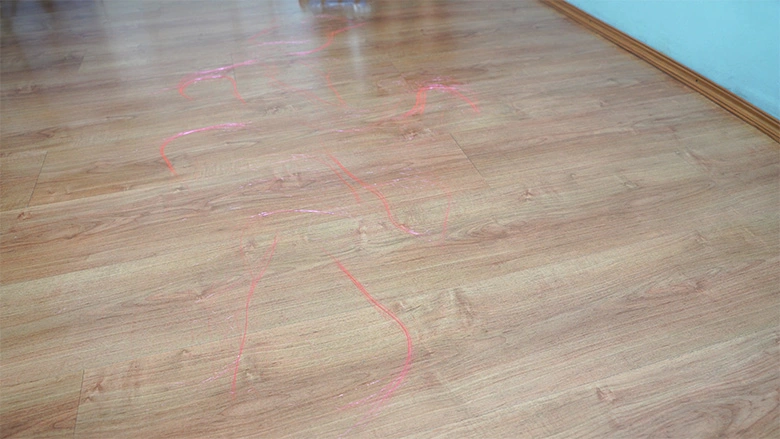
To evaluate pet hair pickup on hard floors, I used multiple hair lengths—5, 7, 9, 11, and 12 inches—to reflect how different types of pet hair behave during cleaning.
Each set of hair strands was evenly spread across the test area, then I ran the vacuum over it using consistent passes until no visible hair remained. After each run, I collected the hair from the dustbin and compared it to the original amount to calculate pickup efficiency.
Hard floors present a unique challenge for pet hair.
Hair tends to wrap around the axles on models with larger gaps or around the roller/brush roll on vacuums that lack an effective anti-tangle system.
This test highlights which models can pick up hair efficiently while keeping it moving into the bin—rather than letting it wrap around the brush or internal components.
2. Pet Hair Pickup Test on Carpet (Mid-Pile)
For carpet testing, I used the same range of hair lengths—5, 7, 9, 11, and 12 inches—but applied them to mid-pile carpet to simulate more realistic conditions where pet hair settles into the surface.
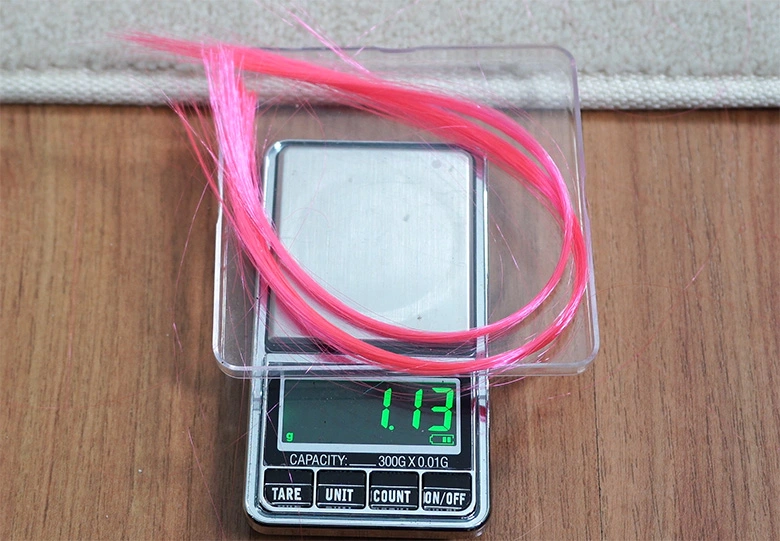
The hair was spread across the test area and lightly worked into the carpet fibers before running the vacuum over it using multiple consistent passes. After cleaning, I collected the hair from the dustbin and compared it to the original amount to determine pickup performance.
Unlike hard floors, carpet requires both strong airflow and effective brushroll agitation to lift hair out of the fibers. This test highlights which vacuums can handle embedded hair and which ones struggle to go beyond surface-level cleaning.
3. Dustbin and Maintenance Evaluation
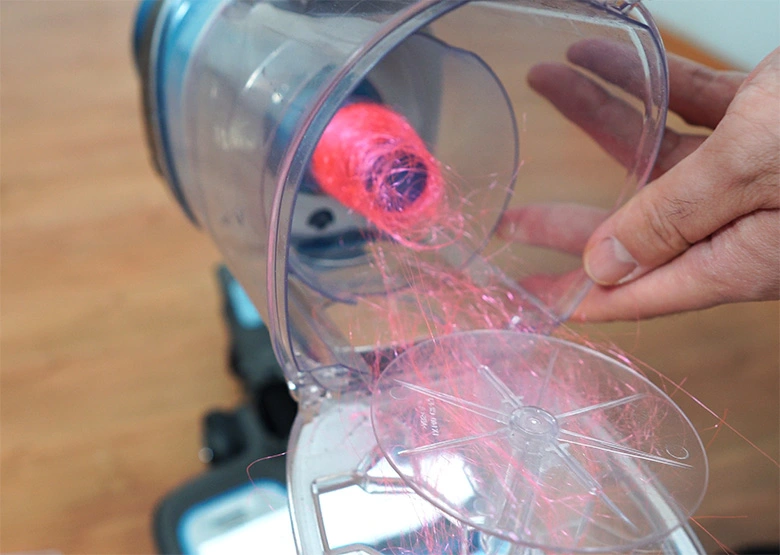
Beyond pickup performance, I evaluated how easy each vacuum is to maintain after pet hair is removed.
This includes how well the dustbin releases hair when emptied, whether hair gets stuck inside the cyclone, and how often the brushroll requires manual cleaning.
These factors don’t show up in spec sheets, but they have a big impact on long-term usability.
4. Consistency and Repeatability
All tests were performed multiple times using the same equipment and conditions to ensure consistent results.
The final scores and observations are based on averaged results across repeated trials, reducing the impact of outliers and ensuring a fair comparison between models.
🧪 What Matters For Pet Hair?
Cleaning pet hair isn’t just about airflow.
In testing, I found that many cordless vacuums with strong airflow (and suction) still struggled with pet hair—especially on carpet or with longer strands.
The models that performed best combined multiple factors, including brushroll design, airflow, and the vacuum’s ability to handle hair after it’s picked up.
Here are the key factors that actually determine how well a cordless vacuum handles pet hair in real-world use:
1. Anti-Tangle Brushroll Design (Most Important)
Brushroll design is the single biggest factor in effectively cleaning pet hair.
In testing, vacuums with anti-tangle features—such as combs, fins, or specially designed rollers—were far more effective at preventing hair from wrapping around the brush.
This allows the vacuum to maintain consistent agitation and pickup performance over time.
Without these features, hair tends to wrap tightly around the brush roll, reducing cleaning efficiency and necessitating frequent manual removal.
For homes with pets that shed longer hair, this quickly becomes one of the biggest frustrations.
2. Airflow (Not Just Suction)
While suction is often the most advertised metric, airflow plays a critical role in how well a vacuum handles pet hair.
Airflow is what actually carries hair through the cleaner’s head and wand, and into the dustbin.
In testing, models with stronger airflow were more consistent at picking up hair—especially on carpet and in situations where hair needed to be transported efficiently through the system.
3. Brushroll Agitation on Carpet
Pet hair doesn’t just sit on the surface—it often embeds itself deep into carpet fibers.
To remove it effectively, a vacuum needs a brush roll that can agitate the carpet enough to lift hair from beneath the surface.
In testing, models with stronger and better-designed brushrolls consistently outperformed those with weaker agitation, especially on mid-pile carpet.
This is one of the key differences between vacuums that clean visibly and those that actually deep clean.
4. Hair Pickup Consistency Across Surfaces
Pet hair behaves differently depending on the surface.
On hard floors, hair can scatter or get pushed around, while on carpet it tends to embed in the fibers.
The best cordless vacuums can handle both scenarios effectively without requiring multiple passes or leaving hair behind.
In testing, consistency across surfaces was a strong indicator of overall performance.
5. Dustbin Design and Hair Management
What happens after the vacuum picks up hair is just as important as how it picks it up.
Some dustbins make it easy for hair to release during emptying, while others cause hair to stick inside or wrap around internal components. In testing, narrower bins or poorly designed cyclones often required manual cleaning, which adds friction to the overall experience.
Vacuums with better bin design make maintenance quicker and more convenient—especially in homes with heavy shedding.
6. Attachments for Upholstery and Pet Areas
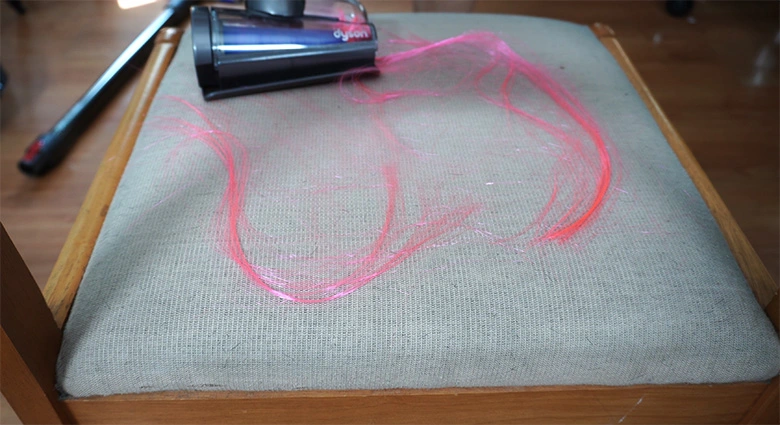
Pet hair doesn’t just stay on floors—it builds up on furniture, pet beds, and car interiors.
The included attachments can make a big difference here.
Motorized tools or well-designed handheld attachments are much more effective at removing hair from fabric compared to standard nozzles.
In testing, vacuums with strong handheld performance were far more versatile for pet owners.
7. Runtime and Usability
Pet owners often need longer cleaning sessions, especially in homes with multiple shedding animals.
Short runtime can limit a vacuum’s effectiveness, particularly if higher-power settings are needed for carpet cleaning.
Ease of use also matters—lightweight designs and good ergonomics make it easier to clean frequently, which is key when dealing with ongoing shedding.
🏆 Full Reviews
Below are the top-performing cordless vacuums for pet hair based on all the tests.
Instead of just ranking them from best to worst, I’ve broken down where each model actually performs well—because the best option depends on your home, floor type, and the kind of pet hair you’re dealing with.
Each review is based on real testing, including hair pickup across multiple lengths, hair wrap resistance, carpet performance, and ease of maintenance.
Best Overall for Pet Hair: Dyson Gen5 Detect

Why does it stand out? The
Dyson Gen5 Detect delivers the most well-rounded performance in this group—combining strong pet-hair pickup on both hard floors and carpet with a longer runtime, better handheld usability than the
Gen5 Outsize, and a larger, more practical dustbin. While it didn’t top the raw scores, its overall balance of performance and usability is what puts it at number one. Some models, like the Shark WandVac and DreameTech T30, posted higher scores in isolated tests—but those results come with trade-offs. The WandVac showed significant leakage in the fog test and has a very limited dustbin capacity, while the DreameTech T30 is no longer widely available, making it a less practical recommendation for most buyers.
Pros
- High airflow helps move hair efficiently into the dustbin
- Superb pickup on hard floors at over 96%
- Perfect hair pick up on carpet
- An eight-plus-minute run time will cover a lot of ground
- Decent-sized dustbin for a small to medium-sized home
Cons
- Not completely immune to hair wrap, especially the laser roller
- Hair can get stuck inside the dustbin
- Heavier than smaller cordless models, which can affect above-floor cleaning
- Premium-priced
Best for: This model is ideal for users who want top-tier pet-hair performance on hard floors, carpets, and upholstery—without worrying about runtime or dustbin capacity. Among the three options featured, it offers the longest usable runtime, lasting over 80 minutes per battery in Eco mode and more than 25 minutes on Auto when cleaning carpet. This extended range gives you the flexibility to tackle pet hair—especially during heavy shedding seasons—without frequent interruptions or battery swaps.
Best Lightweight Option: Shark WandVac Stick

Why does it stand out? The
Shark WandVac stick vacuum has the lowest airflow of the group,
but it delivered the best results in the hair wrap tests—achieving 100% pickup across all lengths from five to twelve inches. Its standout performance comes from a
unique brush design that combines fins and bristles, guiding hair toward built-in combs that actively strip it off before it can wrap around the roller. That said, there are clear trade-offs. The
dustbin is very small and fills up quickly, especially when dealing with pet hair. More importantly, it showed noticeable leakage in the fog test, which raises concerns about filtration, making it a less ideal choice for allergy sufferers.
Pros
- The lightest option in the group, weighing just over two pounds (without the nozzle), making it exceptionally easy to handle
- Best-in-class hair pickup, achieving a perfect score in testing
- Includes a self-standing dock that also functions as a charging station
- Above-average performance on surface debris across hard floors and carpet
- The most affordable option in this lineup
Cons
- Tiny dustbin
- Leaked badly during the fog test
- Only one power setting
- Short run time (only 12 minutes)
Best for: This model is ideal for budget-conscious users who need a lightweight option for cleaning pet hair in smaller spaces. It’s especially well-suited for quick cleanups in apartments with a mix of hard floors and carpet. In testing, it was one of the top performers for pet hair pickup on both surfaces, achieving a 100% score thanks to its unique brush design with fins and built-in combs that minimize tangling and keep hair moving into the bin. The main trade-offs are its smaller dustbin and shorter runtime, which limit how much area it can cover in a single session.
Best Value Option: Shark Vertex Pro IZ682H

Why does it stand out? The Shark Vertex Pro IZ682H doesn’t match the WandVac’s anti-tangle performance, but it improves on nearly every other limitation—especially dustbin capacity and runtime. It builds on the original Vertex with an updated brushroll that handles longer hair strands more effectively. Usability is also a step up, with a more intuitive button layout on the handle and easier-to-access controls. Its dustbin holds over 1.2 liters, giving it ample capacity to handle pet hair in larger homes without needing to empty it constantly. Where it really stands out is its dual-brush system, which is highly efficient—particularly on hard floors. It picks up a wide range of debris with ease, without bogging down, and with a low risk of hair tangling across both brushrolls.
Pros
- Large-capacity dustbin that lets you clean longer without frequent emptying
- Premium-level pickup performance, even with longer hair strands
- Heavy-duty nozzle designed to handle larger debris loads without bogging down
- The foldable extension tube makes it easier to reach under furniture
- The same foldable design also allows for more compact, space-saving storage
Cons
- Bulky nozzle will struggle to fit in tight areas
- Steering isn’t as sharp as a Dyson
- Slight leaks during the fog test
Best for: Homeowners who want a reasonably priced cordless vacuum that can handle heavy pet hair without slowing down. The Shark Vertex Pro’s upgraded brushroll uses finned elements to reduce tight hair wrap, guiding strands toward the built-in combs so they can be stripped off more effectively. It’s not completely tangle-proof, but it’s a noticeable improvement over typical designs. Combined with its strong, consistent cleaning performance, it offers excellent value for those who want near-premium results without paying top-tier prices.
🧪 Performance Comparison Table
Here’s a side-by-side comparison of how each vacuum performed on different experiments based on real-world testing. Use this table to quickly compare key metrics, including pickup performance, fine-dust handling, and overall usability.
Hair Wrap Test Results Breakdown
Hair wrap is one of the biggest issues with cordless vacuums—especially in homes with pets.
Even if a vacuum picks up hair well, excessive tangling around the brushroll can reduce performance over time and require constant maintenance.
In this test, I measured how much hair wraps around the brushroll after cleaning different hair lengths and surfaces.
The results below show which vacuums resist tangling—and which ones quickly get overwhelmed.
The scores below are based on averaged results across multiple hair lengths (5 to 12 inches).
Not every model was tested at every length—some were excluded from longer-hair trials if they already showed significant tangling with shorter strands.
❌ Cordless Vacuums To Avoid for Pet Hair
Not all cordless vacuums are built to handle pet hair.
In testing, some models struggled with basic pickup, while others performed well at first but quickly became frustrating due to hair wrap, clogging, or poor bin design.
These are the types of cordless vacuums I recommend avoiding if you have pets—and why they fall short in real-world use.
1. Vacuums Without Anti-Tangle Brushrolls

Cordless vacuums without anti-tangle brushrolls tend to struggle most with pet hair, particularly with longer strands.
During testing, hair would quickly wrap around the brush roll, reducing its ability to agitate the carpet and pick up debris effectively.
Even models with strong suction weren’t immune to this issue, as wrapped hair builds up over time and impacts overall cleaning performance.
This also creates a maintenance problem. Instead of simply emptying the bin, you’ll need to manually remove hair from the brush roll after most cleaning sessions, a task that quickly becomes tedious in homes with pets.
2. Low Airflow Models (With a Few Exceptions)
Avoid models with low airflow—though there are a few exceptions (more on that below).
In testing, low-airflow vacuums consistently struggled to move pet hair from the floor, through the cleaning head and wand, and into the dustbin—especially on carpet. Instead of being fully collected, hair often gets stuck in the nozzle or only partially enters the bin.
This results in inconsistent performance over time, particularly as the dustbin fills up. It’s a key reminder that suction alone isn’t enough—airflow is what actually transports hair through the system.
That said, there are exceptions. The Shark WandVac WS642, for example, uses a brushroll with integrated combs designed to prevent tangling and improve hair pickup.
In testing, it was one of the few models to achieve 100% pickup across all hair-length tests on both hard floors and carpet.

3. Narrow Brush Designs That Tangle Easily
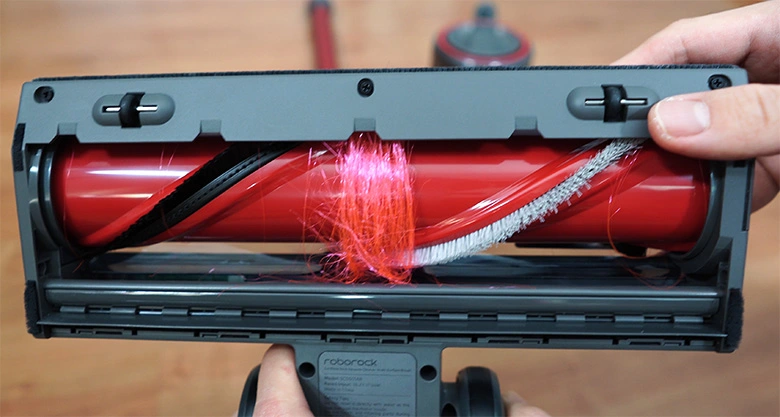
Brushroll design plays a major role in how well a cordless vacuum handles pet hair, and narrower brush designs tend to struggle the most—especially with longer strands.
In testing, these brushes don’t have enough surface area or optimized spacing to guide hair smoothly into the airflow path. Instead, hair tends to concentrate in a smaller area of the brushroll, where it wraps tightly and builds up quickly.
This is particularly noticeable when cleaning carpets or picking up clumps of pet hair, where the brush is doing most of the work.
Over time, this buildup hampers the brushroll’s ability to agitate carpet fibers effectively, which leads to missed hair and inconsistent pickup.
Even if the vacuum has strong suction, performance drops as more hair gets tangled around the brush.
This also increases maintenance. Narrow brush designs often require frequent manual cleaning to remove hair that wraps around them, making them less practical for homes with pets that shed regularly.
4. Narrow Bin Designs
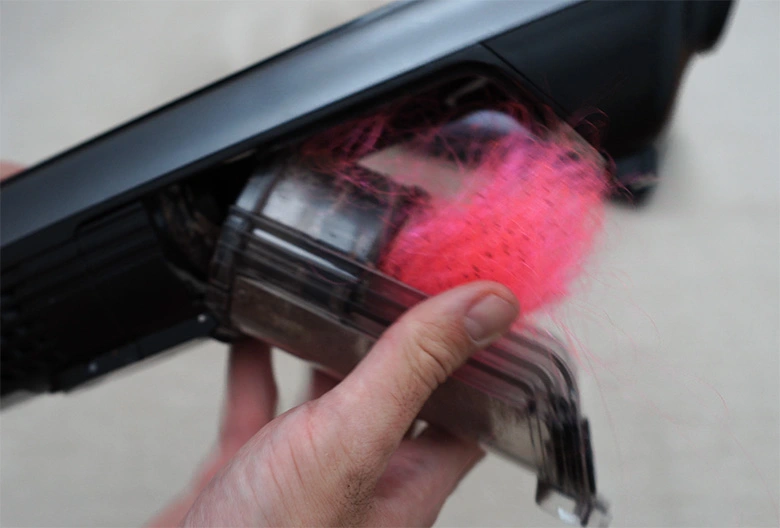
Dustbin design plays a bigger role in pet hair removal than most people expect, and narrower bins tend to create more problems over time.
In testing, these bins don’t give pet hair enough space to separate and fall freely when emptying. Instead, hair compacts tightly inside a smaller chamber, often getting caught around the cyclone or along the inner walls.
This is especially noticeable with longer hair, which tends to cling and form clumps rather than drop out cleanly.
As a result, emptying the bin becomes less convenient. Instead of a simple one-click release, you’ll often need to reach inside and manually pull out stuck hair.
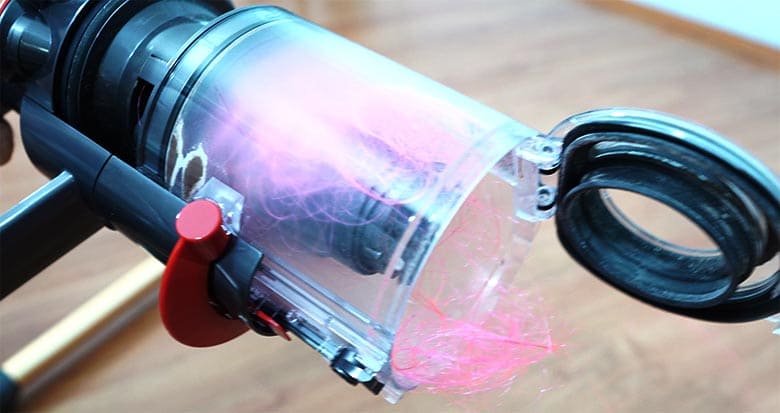
Wider, better-designed dustbins make a noticeable difference. The extra space allows hair to release more easily, reducing how much gets packed or tangled inside.
That said, hair naturally clings to plastic, so some sticking is unavoidable—but larger bins make emptying far less frustrating.
Another factor to consider is whether the vacuum uses an active ejection system. Some models, like those from Dyson, use a push-out mechanism that physically forces debris out of the bin, which helps minimize hair getting stuck during disposal.
5. Weak Brushroll Agitation on Carpet
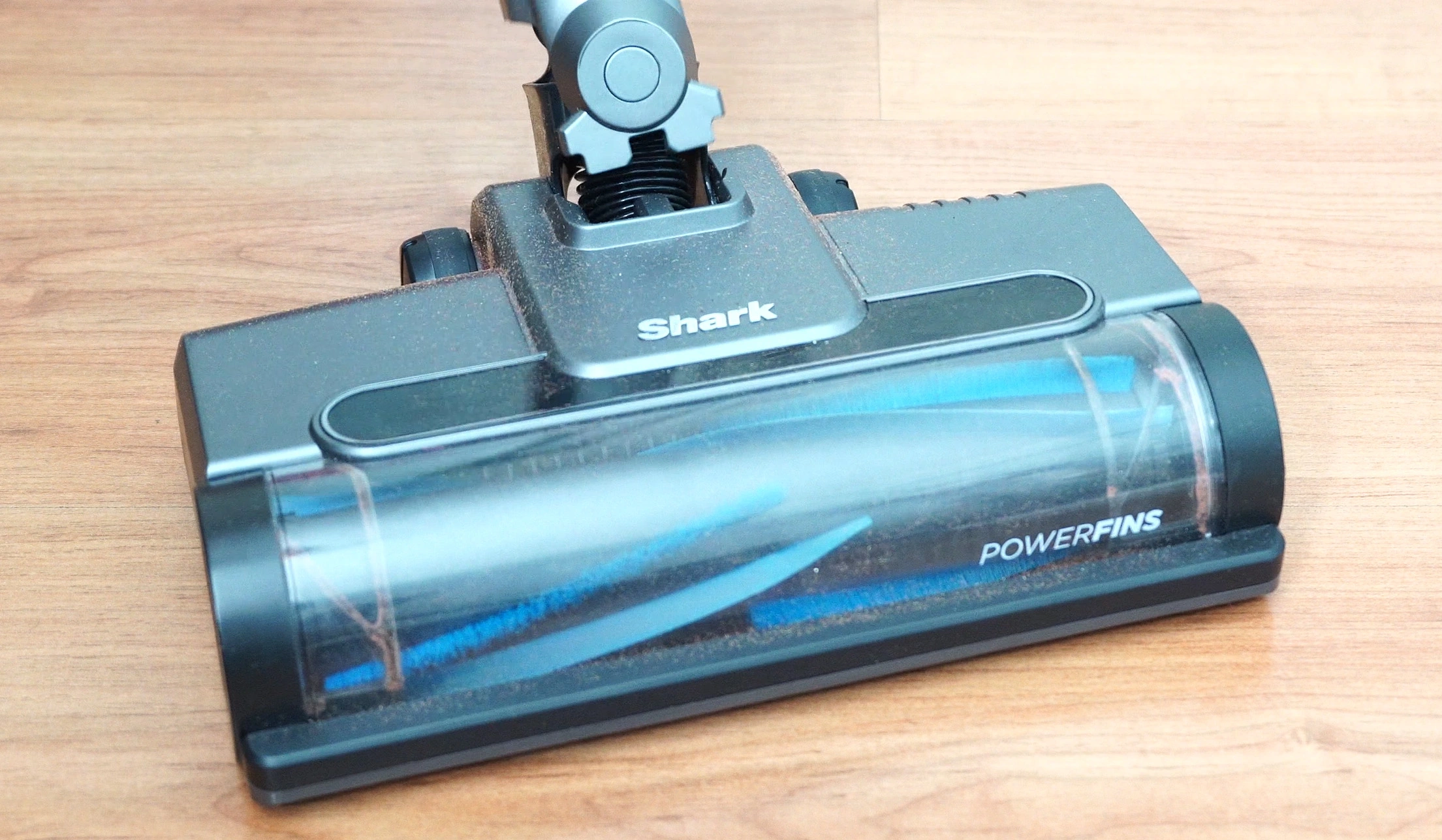
Pet hair tends to embed itself deep into carpet fibers, which requires both airflow and strong brushroll agitation to remove effectively.
Vacuums with weaker brushroll designs often struggle in this area, leaving behind embedded hair even after multiple passes.
In testing, these models performed adequately on surface debris but fell short on deeper-cleaning tasks.
If you have carpets, this becomes a major limitation, as pet hair buildup is often most noticeable below the surface.
6. Single-Battery Models With Short Runtime
Pet owners typically need longer cleaning sessions, especially in homes with multiple shedding animals. Cordless vacuums with limited runtime can be frustrating to use, especially when higher-power settings are needed for carpet cleaning.
In testing, shorter-runtime models often required stopping mid-clean or switching to lower-power modes, which reduced their effectiveness on pet hair. This makes them less practical for larger homes or more demanding cleaning tasks.
💡Buyer’s Guide
Choosing the right cordless vacuum for carpet depends on more than just suction power. Factors like airflow, brushroll design, and carpet type all play a major role in real-world performance.
Here’s what actually matters when choosing a cordless vacuum for carpet.
1. Carpet Type (Low vs Medium vs High Pile)
Not all cordless vacuums perform the same across different carpet types. Low-pile carpet is generally easier to clean, and most cordless vacuums can handle it without issue.
Medium-pile carpet requires more airflow and stronger agitation to remove dirt effectively.
High-pile or thicker carpet is the most demanding, requiring a combination of strong suction, high airflow, and an aggressive brushroll to pull debris from deep within the fibers. If you have thicker carpet, it’s important to prioritize models that performed well in deep-cleaning tests.
2. Airflow vs Suction (What Actually Matters More)
Many brands highlight suction power, but airflow is just as critical—especially for cleaning carpet. Suction, typically measured as water lift, indicates the force the vacuum can generate and is usually tested near the motor.
In many cases, cordless vacuums with higher suction also produce higher airflow, so the two often go hand in hand. Still, suction alone is only part of the equation—it shows potential, not the full picture of real-world performance.
Airflow, measured in CFM, is what actually moves debris through the system—from the carpet, through the nozzle, and into the dustbin. Without sufficient airflow at the nozzle, even a vacuum with strong suction can struggle to transport dirt effectively.
The best-performing cordless vacuums strike a balance between both. When suction and airflow work together, you get better deep cleaning, especially on carpet.
But when a vacuum leans too heavily on one and neglects the other, it often shows up in testing—slower pickup, more passes needed, and debris left behind.
3. Brushroll Design & Agitation
Brushroll design is one of the biggest factors affecting carpet performance. A well-designed brushroll agitates carpet fibers, loosens embedded dirt, and helps guide debris into the airflow path.
Some vacuums struggle on carpet, not because of weak suction, but because their brush roll lacks the agitation needed to lift debris from beneath the surface. In many cases, brushroll performance is what separates average vacuums from top performers.
4. Pets & Hair Pickup
If you have pets, hair pickup becomes just as important as deep cleaning.
A vacuum may perform well with debris but still struggle with hair if the brushroll tangles easily or lacks the power to lift it from carpet fibers.
Features like anti-tangle brushrolls and consistent airflow can make a significant difference. In testing, some vacuums handled hair well on the surface but failed to remove dirt underneath, so it’s important to consider both factors.
5. Runtime & Battery System
Carpet cleaning requires more power than cleaning hard floors, which means runtime tends to be shorter—especially on higher-power settings. For smaller homes, a single battery may be enough.
However, for medium to large homes, a vacuum with a swappable or dual-battery system is often the better choice. This allows for longer cleaning sessions without interruption and ensures consistent performance throughout.
In the graph below, which shows runtime on the middle power setting, some models appear with a value of zero.
This doesn’t indicate poor performance—it simply means those vacuums don’t have a dedicated middle setting.
For example, the LG CordZero A9 only offers low and max modes, so it’s recorded as zero in this category for consistency in the comparison.
6. Sealing & Nozzle Design
Sealing and nozzle design play a critical role in maintaining suction and airflow at the carpet surface. A well-sealed cleaning head helps direct airflow efficiently through the carpet, improving deep-cleaning performance.
Poor sealing can lead to air leaks, reducing the vacuum’s ability to lift debris from within the fibers. This is often overlooked, but it has a direct impact on how well a vacuum performs in real-world conditions.
Some newer Dyson models include adjustable gates that let you fine-tune the seal at the cleaner head.
A tighter seal can improve suction and deep-cleaning performance, but if it’s too closed off, it creates more resistance and makes the vacuum harder to push on carpet.
Opening the gates slightly reduces that drag, making it easier to maneuver while still maintaining solid cleaning performance.
7. Weight & Ease of Use
More powerful cordless vacuums tend to be heavier, which can affect usability over longer cleaning sessions.
Lighter models are easier to maneuver and more comfortable to use, especially in handheld mode.
However, they may not always deliver the same level of deep-cleaning performance as heavier, more powerful options.
Choosing the right balance between performance and comfort depends on your priorities and how often you clean.
8. Budget vs Performance
Higher price doesn’t always guarantee better performance, but in many cases, stronger carpet performance comes at a premium due to more powerful motors and better airflow design.
Budget models can still perform well for light cleaning and low-pile carpet, but they often fall short in deep-cleaning tests. Instead of focusing on price alone, it’s more important to look at real-world test results to understand what you’re actually getting.
❓FAQ — Cordless Vacuums for Pet Hair
Here are answers to the most common questions about cordless vacuums for pet hair, based on real-world testing and long-term use.
What is the best cordless vacuum for pet hair?
The best cordless vacuum for pet hair is one that combines strong airflow, effective brushroll agitation, and an anti-tangle design.
In tests, models with these features consistently picked up more hair, especially on carpet, while requiring less maintenance.
Instead of focusing on a single “best” option, it’s better to choose based on your home.
Some vacuums perform better on carpet, while others are more effective on hard floors or upholstery.
Do cordless vacuums work well for pet hair?
Yes, but not all cordless vacuums perform equally well.
In testing, the best-performing models—those that combine the right features—consistently handled pet hair across multiple surfaces with minimal issues.
In contrast, weaker designs were far more prone to hair wrap, clogging in the nozzle or wand, and inconsistent pickup as debris accumulated.
While cordless vacuums have improved significantly in recent years, raw suction alone isn’t enough.
Real-world performance still hinges on how well the brushroll manages hair and how efficiently airflow transports it through the system.
Without both working together, even high-suction models can struggle under typical pet hair conditions.
Is suction or airflow more important for pet hair?
Both are important, but airflow plays a bigger role in moving pet hair through the vacuum system.
Suction helps lift debris, but airflow is what carries hair from the floor into the dustbin.
In testing, vacuums with decent airflow and a proper anti-tangle system performed the best.
Do anti-tangle brushrolls really work?
Yes—anti-tangle brushrolls made a noticeable difference in testing.
Vacuums with well-designed anti-tangle systems had significantly less hair wrap, especially with longer strands. This reduces maintenance and helps maintain consistent performance over time.
Which cordless vacuum is best for long pet hair?
Long pet hair is one of the hardest things for a vacuum to handle.
In testing, vacuums with anti-tangle brushrolls and strong airflow performed best, as they prevented hair from tangling while maintaining consistent pickup.
Models without these features often required frequent manual cleaning and showed reduced performance over time.
Why does hair get stuck in my vacuum?
Hair typically gets stuck due to a combination of brushroll and bin design, as well as airflow limitations.
In testing, vacuums without anti-tangle brushrolls were more likely to wrap hair, while models with narrow airflow paths or compact bins were more prone to clogging or trapping hair inside the system.
These issues become more noticeable with longer hair and heavier shedding.
Are cordless vacuums good for pet hair on carpet?
Yes, but performance varies significantly between models.
Carpet requires both airflow and strong brushroll agitation to remove embedded hair. In testing, some cordless vacuums handled this well, while others struggled to go beyond surface-level cleaning and short strands.
If you have carpets, choosing the right brushroll design is just as important as suction power.
How do I prevent hair from tangling in the brushroll?
The best way to reduce hair tangling is to use a vacuum with an effective anti-tangle brushroll.
Regular maintenance also helps. Removing hair buildup from the brushroll and emptying the bin frequently can prevent performance from dropping over time.
However, in testing, vacuums with better brushroll designs required significantly less manual cleaning.
Do I need a special vacuum if I have pets?
Not necessarily “special,” but you do need a vacuum designed to handle pet hair effectively.
In testing, standard cordless vacuums without anti-tangle features or strong airflow often struggled in homes with pets.
Choosing a model optimized for hair pickup can make a noticeable difference in both performance and maintenance.
What Dyson cordless vacuum is best for pet hair?
The best Dyson cordless vacuum for pet hair is typically the one with the most effective anti-tangle brushroll and strong airflow, such as newer models with the latest hair-detangling technology.
In testing, these models performed better at preventing hair wrap and maintaining consistent pickup on carpet and upholstery. However, performance can vary by home, so it’s important to choose based on surface type and cleaning needs rather than brand alone.
Can cordless vacuums replace upright vacuums for pet hair?
Yes, high-performing cordless vacuums can replace upright vacuums for pet hair in most homes.
In testing, premium cordless models delivered comparable pickup on both hard floors and carpet, especially when equipped with strong airflow and effective brushroll designs.
However, for larger homes or heavy shedding, runtime and dustbin capacity can still be limiting factors compared to full-size uprights.
Why does my cordless vacuum struggle with pet hair on carpet?
Cordless vacuums usually struggle with pet hair on carpet due to limited airflow or weak brushroll agitation.
In testing, models with lower airflow or less-aggressive brushrolls had difficulty lifting hair embedded deep within carpet fibers.
This often results in good surface cleaning but poor deep cleaning performance. Vacuums that combine strong airflow with an effective brushroll design performed significantly better in these conditions.
