Carpet cleaning is where many cordless vacuums struggle.
On hard floors, most vacuums can pick up visible debris. But on carpet, dirt doesn’t just sit on the surface—it gets embedded deep within the fibers.
👉 This test is designed to answer one critical question:
How well can a vacuum remove dirt that you can’t see?
🧠 Why This Test Matters
Manufacturer specs don’t tell the full story.
Two vacuums can have similar suction or airflow numbers—but perform very differently when it comes to deep cleaning carpet.
From testing, I’ve found that effective carpet cleaning depends on:
- Strong airflow to lift embedded debris
- Brushroll agitation to loosen dirt
- Proper seal between the nozzle and carpet
👉 If any of these are lacking, performance drops significantly.
🧪 Test Overview

Each vacuum undergoes a controlled carpet-cleaning experiment with real debris.
What’s tested:
- Surface debris pickup
- Deep cleaning performance
- Consistency across multiple passes
All tests are conducted using the same method to ensure results are comparable across different models.
🧱 Deep Cleaning (Embedded Dirt Test)
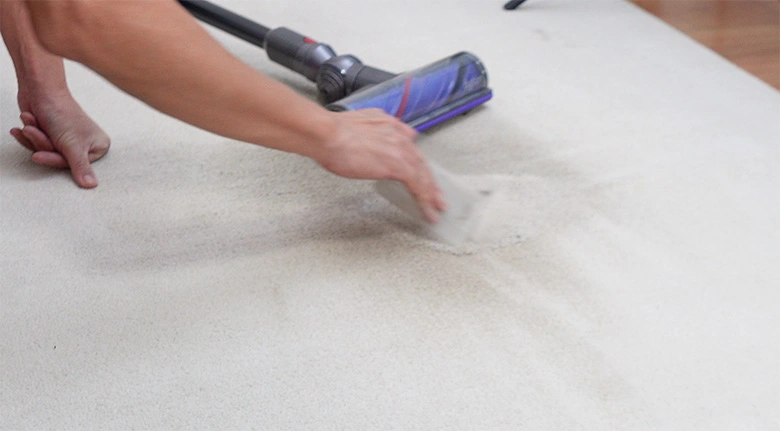
This is the most important part of the process.
🧪 Procedure:
- Measure 100 grams of sand
- Evenly distribute it across a section of medium-pile carpet
- Rub the sand into the fibers by hand to simulate embedded dirt
- Run the vacuum over the area using multiple passes
- Collect all debris from the dustbin
- Weigh the collected material
📊 Scoring:
The result is calculated as: (Collected debris ÷ 100g) × 100 = Cleaning Score (%)
👉 This gives a clear percentage of how much embedded dirt the vacuum can remove.
🧹 Surface Debris Test (Supporting Test)
In addition to deep cleaning, I also test how well each vacuum picks up surface debris.
Debris types used:
- Sand
- Oats
- Coffee grounds
- Quinoa
- Pet litter
What this reveals:
- Pickup efficiency on carpet
- Whether debris gets left behind
- How well the vacuum handles different particle sizes
🧵 Hair Pickup on Carpet
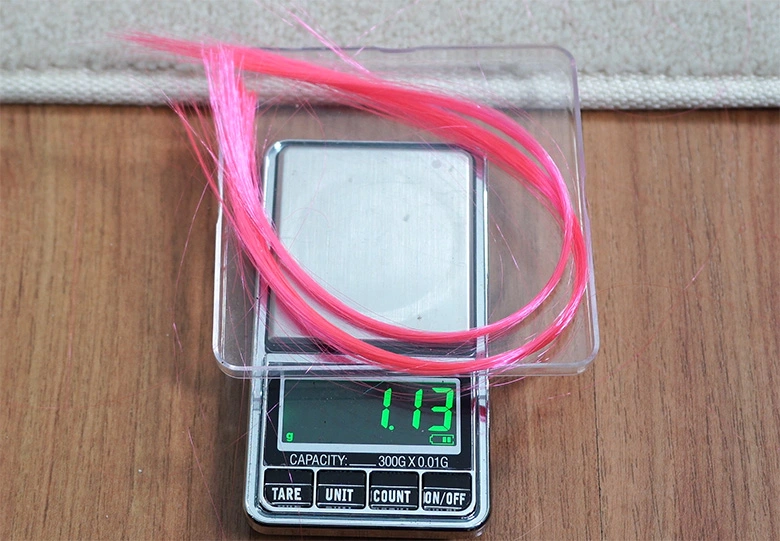
Hair is one of the most challenging materials to clean.
🧪 Procedure:
- Use hair strands ranging from 5 to 12 inches
- Distribute evenly across carpet
- Run multiple passes until visible hair is removed
- Collect and weigh the results
What this reveals:
- Hair pickup efficiency
- Tendency for hair to wrap around the brushrollAbility to transfer hair into the dustbin
⚙️ Test Conditions
To keep results consistent:
- The same carpet type is used (medium-pile)
- The same debris quantities are measured
- Each test is repeated and averaged
- Vacuums are tested using their primary cleaning head
👉 These controls ensure results are directly comparable.
⚠️ Limitations of the Test
No test is perfect, and real-world performance can vary.
Considerations:
- Different carpet types (high-pile vs low-pile) may produce different results
- User technique (speed, angle, passes) can affect outcomes
- Dustbin fill levels can impact performance
👉 These tests provide a controlled baseline, not an absolute result for every scenario.
📊 What I’ve Learned From Testing
After testing multiple cordless vacuums, several patterns stand out:
- High airflow models consistently perform better on carpet
- Strong suction alone isn’t enough without proper airflow
- Brushroll design plays a critical role in agitation
- Poor seals reduce cleaning efficiency significantly
👉 These insights are reflected in rankings and recommendations across the site.
🔗 Related Guides
To see how these results are applied:
🧭 Final Takeaway
Carpet cleaning performance isn’t just about power—it’s about how effectively a vacuum combines airflow, agitation, and design.
This testing process is designed to reveal those differences in a measurable, real-world way.
👉 The goal is simple: help you choose a vacuum that actually cleans your carpet—not just one that looks good on paper.