How We Test Cordless Vacuums (CVG Testing Lab)
Every cordless vacuum featured on this site is tested using real-world experiments designed to measure how it actually performs—not just what the specs claim.
Most review sites rely heavily on manufacturer data or surface-level impressions. This site takes a different approach.
👉 Every model goes through hands-on testing using repeatable methods to evaluate power, cleaning performance, filtration, runtime, and usability.
The goal is simple:
Show you exactly how each vacuum performs in real conditions—so you can make the right decision for your home.
🧠 The CVG Testing Framework
Each vacuum is evaluated across six core categories:
- Power → airflow + suction
- Cleaning Performance → real-world debris tests
- Filtration → sealed system verification
- Battery → real-world runtime
- Usability → ergonomics + maintenance
- Durability → long-term reliability
These categories work together to provide a complete picture of performance—not just isolated specs.
💪 Power Testing
🌬️ Airflow (CFM)
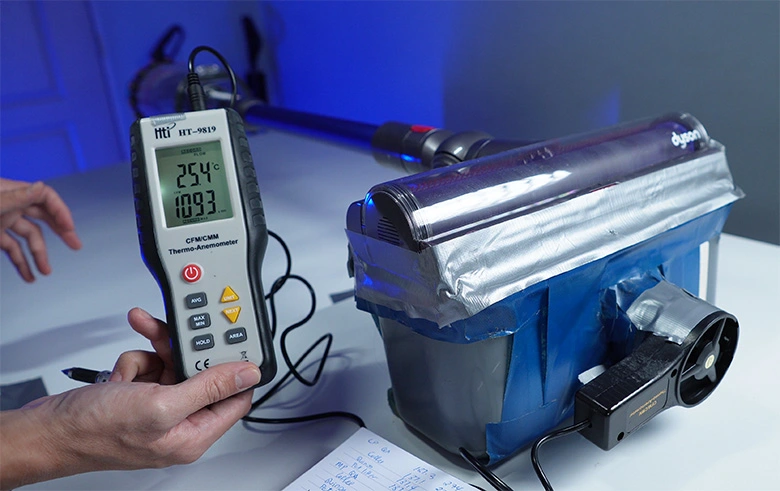
Airflow measures how much air moves through the vacuum—and it’s one of the most important factors for real-world cleaning performance.
👉 Higher airflow helps lift debris from carpets and move it efficiently into the dustbin.
➡️ See the full breakdown: Airflow vs Suction Guide
💧 Suction (Water Lift)
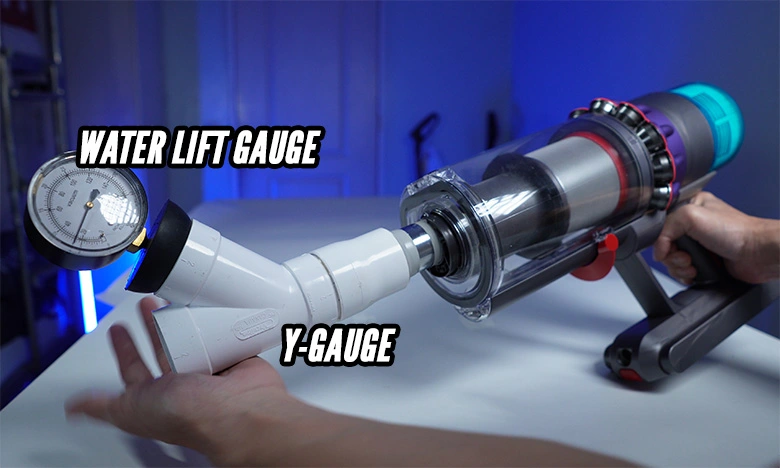
Suction measures raw pulling force.
👉 While important, suction alone doesn’t guarantee strong cleaning performance—especially on carpet.
🧹 Cleaning Performance Tests
🧱 Hard Floor Pickup

Each vacuum is tested on hard surfaces using controlled amounts of debris like sand, oats, and coffee grounds.
👉 This reveals how efficiently a vacuum handles everyday messes without scattering debris.
🧵 Carpet Deep Cleaning

To simulate real-world conditions, sand is embedded into carpet fibers before vacuuming.
👉 This test shows how well a vacuum can extract deeply embedded dirt—not just surface debris.
➡️ Full methodology: Carpet Cleaning Test
🐶 Hair Pickup & Wrap Test
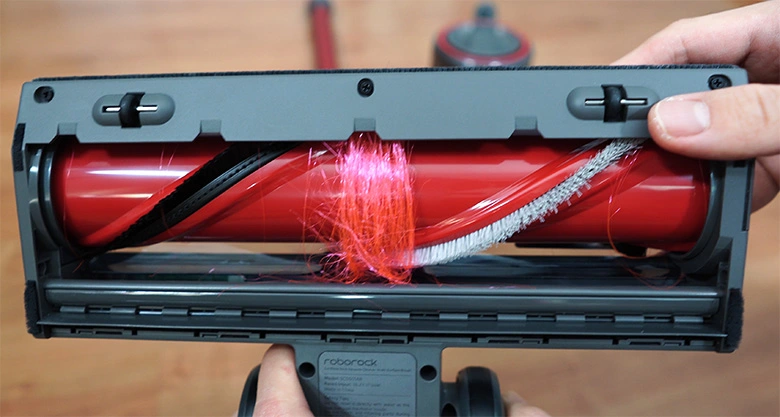
Long hair strands (5–12 inches) are used on both carpet and hard floors.
👉 This reveals:
- Pickup efficiency
- Hair wrap issues
- Debris transfer into the bin
➡️ Full breakdown: Hair Pickup Test
🌫️ Filtration Testing
🧪 Fog Test

Many vacuums claim HEPA filtration—but not all are properly sealed.
To verify this, I run a fog test to check for leaks.
👉 If fog escapes, so will fine dust and allergens.
➡️ Learn more: Filtration Testing Explained
🔋 Battery & Runtime Testing

Battery life is tested under real-world conditions using the main cleaning head—not ideal scenarios.
👉 This provides a more accurate picture of how long a vacuum will actually run in your home.
➡️ Full details: Runtime Testing Method
⚙️ Usability & Maintenance

🤲 Ergonomics
Weight alone doesn’t determine comfort.
👉 Balance, steering, and handling all affect how easy a vacuum is to use daily.
🧰 Maintenance
A vacuum should be easy to clean and maintain.
👉 This includes:
- Bin emptying
- Filter cleaning
- Hair removal
➡️ See guides: Maintenance & Cleaning Tutorials
🛠️ Durability & Long-Term Testing
Performance means little if the vacuum doesn’t last.
👉 Long-term use helps reveal:
- Wear over time
- Component reliability
- Battery degradation
These insights are added to reviews whenever possible.
📊 Why This Testing Matters
Specs don’t always reflect real-world performance.
Two vacuums can have similar numbers on paper—but perform very differently in actual cleaning.
👉 That’s why this site focuses on measured results and real-world testing, not just manufacturer claims.
🔗 See the Full Testing Process
This page provides a high-level overview.
For a detailed breakdown of every test, tools used, and methodology:
➡️ Review Process (Full Testing Methodology)
🧭 Where to Go Next
Now that you understand how testing works, explore these guides: